
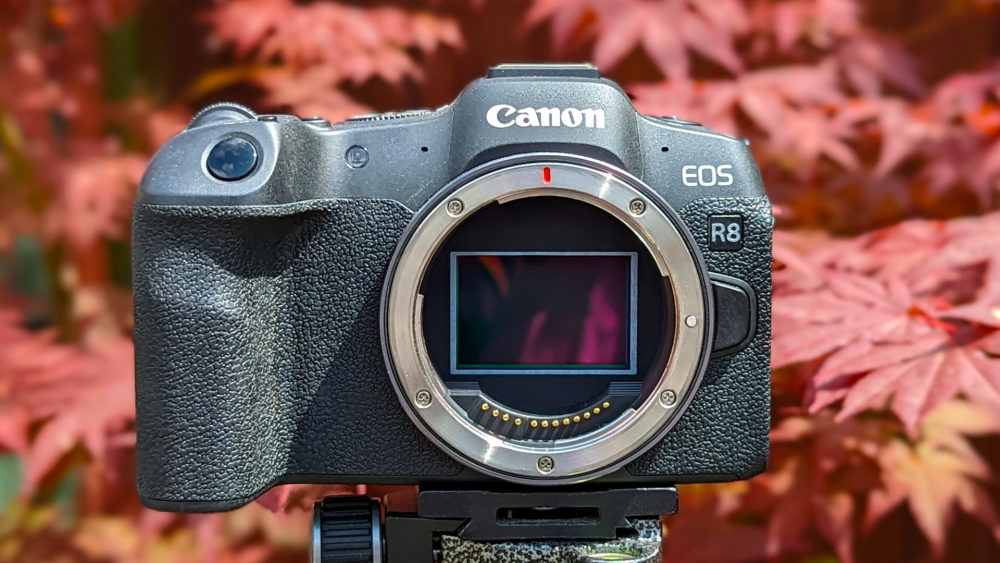

The Canon EOS R8 is a smart fit in Canon’s mirrorless camera lineup. It fills the space between entry-level and pro models, giving you full-frame quality without the high price or heavy weight.
I’ve spent real time using this camera in everyday situations. From family events to outdoor trips, I tested how well it performs in different lighting and settings.
What you’ll get in this review is honest feedback. I’ll tell you the good stuff, but I won’t hide the flaws either.
You deserve the full story before you spend your hard-earned money on a new camera.
If you’re tired of carrying around heavy gear but still want great image quality, this review is for you. The Canon R8 might be the camera that finally fits your needs.
I’ll cover image quality, video performance, and how it really handles in the real world. By the end, you’ll know if the EOS R8 is the right choice for you.
Specifications of the Canon EOS R8
The Canon EOS R8 may be compact, but it doesn’t hold back when it comes to features. The following is what the R8 brings to the table:
- Lightweight Design
- 24.2MP Full-Frame Sensor
- DIGIC X Processor
- Burst Shooting
- Video Capabilities
- RF Mount Compatibility
- Lens Flexibility
Performance of the Canon EOS R8
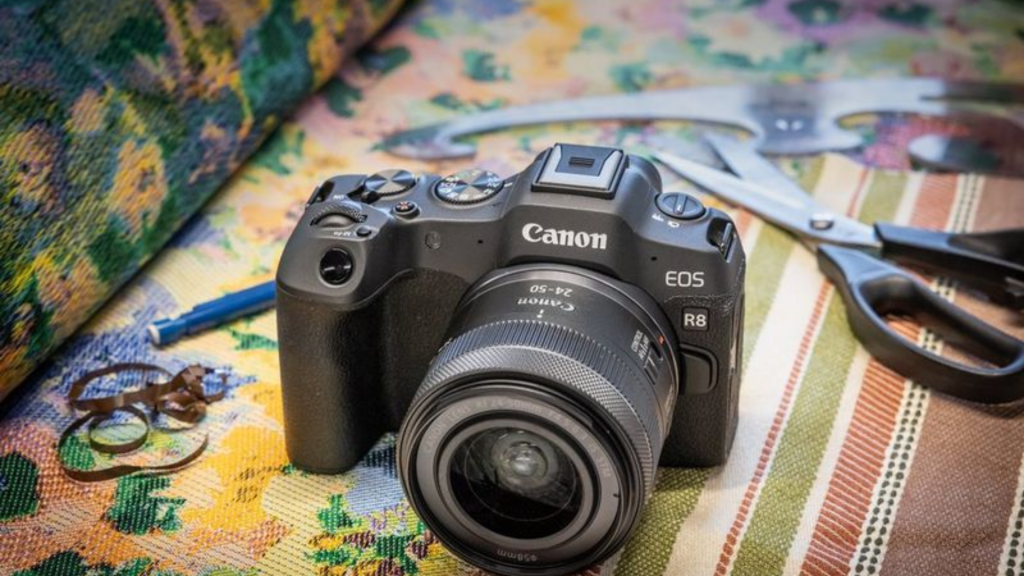
I tested the R8 in various real-world scenarios. The following how it performed across different areas. Each test pushed the camera to its limits. Some results surprised me.
1. Image Quality
The Canon R8’s 24.2-megapixel sensor delivers sharp, vibrant images. Colors look natural straight out of the camera, and the dynamic range is strong for this price.
You can recover details in shadows and highlights during editing without losing quality.
Low-light performance is better than expected. I shot at ISO 3200 with no problem, and even ISO 6400 stays clean.
The biggest downside is the lack of in-body stabilization. Handheld shots can blur more easily, so you’ll want a steady hand or a stabilized lens.
2. Autofocus and Tracking
The Dual Pixel CMOS AF II system is fast and reliable. It locks focus quickly, and eye detection works well for both people and animals, even in tricky lighting.
What really stands out is subject tracking. The R8 keeps moving subjects in focus smoothly, if you’re capturing kids running or birds in flight.
The success rate is very high for a camera in this price range.
Face detection also works in video, which makes solo shooting much easier by keeping your subject in focus automatically.
3. Video Performance
The 4K video quality on the Canon R8 is excellent. Oversampled 4K at 30p looks especially sharp, and colors match the photo quality well, which helps keep your edits consistent.
There is a crop when shooting 4K at 60p, which means your wide-angle lenses won’t feel as wide. Still, the footage stays crisp.
Heat management is also solid, allowing longer shoots without overheating.
Internal recording supports professional codecs so that you won’t need an external recorder for most work. This keeps your video setup simple and portable.
4. Battery Life
Battery life is one of the R8’s biggest drawbacks.
You’ll get around 220 shots per charge using the viewfinder, which is lower than many other mirrorless cameras in this class.
Video recording drains the battery faster, about 45 minutes of 4K. The small LP-E17 battery limits how long you can shoot.
You can use USB-C power delivery to charge while shooting, which helps during long sessions. But for handheld use, relying on USB power isn’t very practical.
5. Connectivity and Controls
The R8’s wireless features are solid. WiFi and Bluetooth both connect easily, and the Canon Camera Connect app works well for transfers and remote control.
The button layout will feel familiar to Canon users.
While it only has one main control dial, it’s easy to adjust once you get used to it.
The fully flip-out screen is great for vlogging or selfies, and the touchscreen makes navigating menus and focusing quick and easy. The whole system feels responsive and modern.
Build Quality and Ergonomics
The Canon R8 feels solid and well-built, even though it’s one of the lightest full-frame cameras out there. Its magnesium alloy body adds strength without making it bulky or cheap.
Weather sealing is minimal, so you’ll want to be careful in rain or dusty conditions. It’s not a rugged outdoor camera, but it handles everyday use well.
The grip is comfortable and fits nicely in the hand, even with larger lenses. It stays balanced and easy to hold during long shoots, which is rare for such a lightweight model.
Button layout is smart and efficient. Most key functions have their own controls, and the joystick for selecting focus points works smoothly. You won’t need to dig into menus often.
The electronic viewfinder is sharp, with 2.36 million dots and no noticeable lag. The rear LCD screen tilts and flips, making it easy to shoot from almost any angle.
Community Discussions Regarding Canon EOS R8
The Canon R8 gets a lot of praise in online forums.
Users often highlight its excellent image quality and lightweight build, saying it performs above its price range. Some even compare it to higher-end full-frame models.
Battery life is the top complaint. Many suggest carrying at least three or four spare batteries. Others use battery grips to handle longer shoots more easily.
The lack of in-body stabilization splits opinions. Some miss it, especially for handheld video. Others prefer the weight savings and rely on stabilized lenses instead.
Professionals often recommend the R8 as a backup camera. Its size and image quality make it great for travel and street photography. Many end up using it more than they expected.
Alternatives to Consider for the Canon R8
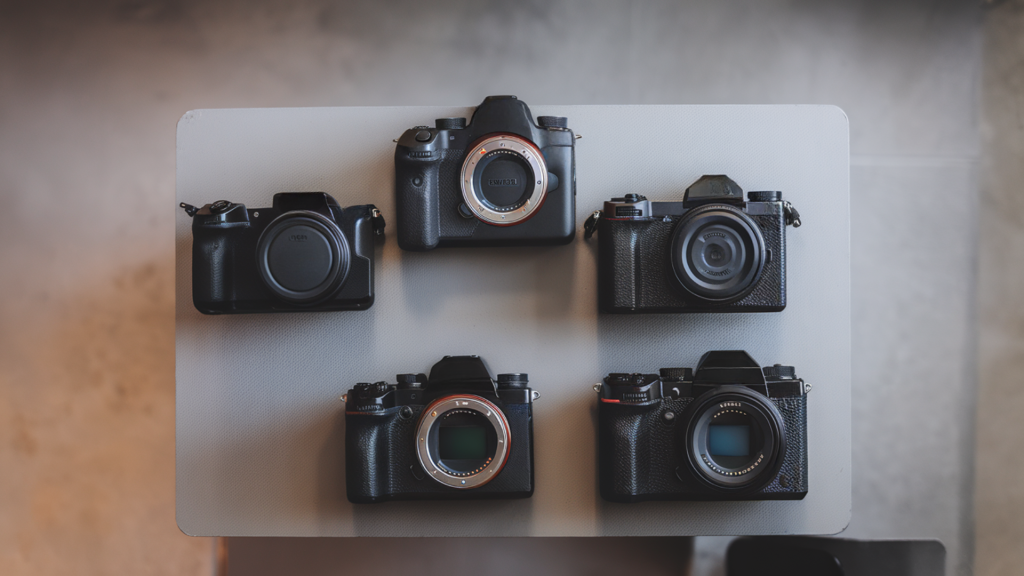
If you’re considering the Canon R8, it’s worth looking at what other cameras in the same category offer.
Each competitor brings its own mix of features, trade-offs, and strengths.
Depending on your priorities, regardless of if it’s stabilization, battery life, lens options, or overall value, another model might suit you better.
| Camera | Key Strengths | Trade-offs |
|---|---|---|
| Sony A7 IV | In-body stabilization (IBIS), great battery life | Higher price, heavier, and bulkier body |
| Nikon Z6 II | Dual card slots, strong build, excellent value | Smaller lens selection compared to the Canon RF system |
| Canon R6 Mark II | Same sensor, adds IBIS, and longer battery life | Higher cost; decide if added features are worth it |
| Fujifilm X-H2 | Compact APS-C system, excellent image quality, retro feel | Smaller sensor; not full-frame |
Each of these cameras can be a great choice depending on your needs.
The Canon R8 holds its own with strong image quality, compact design, and RF lens access, making it a smart pick for many users.
Conclusion
The Canon EOS R8 fills a unique space in the camera world. It delivers full-frame quality in a body that’s compact, light, and easy to carry.
For many creators, this balance of performance and portability is exactly what they need.
If you shoot events, travel often, or make content on the go, the R8 fits right in. Its image quality rivals more expensive models, and the video features are strong enough for most pro-level needs.
Battery life is the biggest weakness, so carrying spares is a must. The lack of in-body stabilization is also a trade-off, but that’s part of why the camera stays so lightweight.
It’s a great choice for anyone entering full-frame photography or looking for a capable backup body.
Do you choose light gear over loaded features? Share your experience in the comments — your input could help someone else decide.
Frequently Asked Questions
Does the Canon EOS R8 Have Weather Sealing?
The Canon R8 has limited weather sealing. It can handle light moisture or dust, but it’s not built for heavy rain or tough outdoor conditions, so use caution.
Can You Use EF Lenses on the Canon R8?
Yes, you can use EF lenses with Canon’s EF-RF adapter. Autofocus, stabilization, and other lens features work normally, making it a smooth option for those with existing EF glass.
Can the Canon R8 Live Stream Directly?
Yes, the R8 supports live streaming via USB connection to a computer. You can also live stream using WiFi and Canon’s compatible apps for added flexibility.
What Memory Cards Work with the Canon R8?
The R8 supports SD, SDHC, and SDXC memory cards. UHS-I cards are recommended for best performance, especially when recording high-quality 4K video.
Is the Canon EOS R8 Mirrorless?
Yes, the Canon EOS R8 is a full-frame mirrorless camera. It uses an electronic viewfinder instead of a traditional mirror system, making it lighter and more compact.


Leave a Reply