

Ever wish you had a camera that feels simple but takes pro-level photos? You’re not alone. Many folks want great photos without needing a complicated setup. That’s where the Leica Q2 comes in.
It builds on the first Leica Q, which came out in 2014 and was loved for its clean look and sharp image quality.
Now, the Q2 brings in a bigger 47.3 MP full-frame sensor, quicker focus, and a body that can handle different weather. It’s made for people who take photos seriously, but still want something easy to carry.
In this blog, I’ll walk you through what makes the Leica Q2 special, what it improves, and who it’s really made for.
Ready to see if it’s the right fit for you?
Inside the Leica Q2: Features, Quality, and Ease of Use
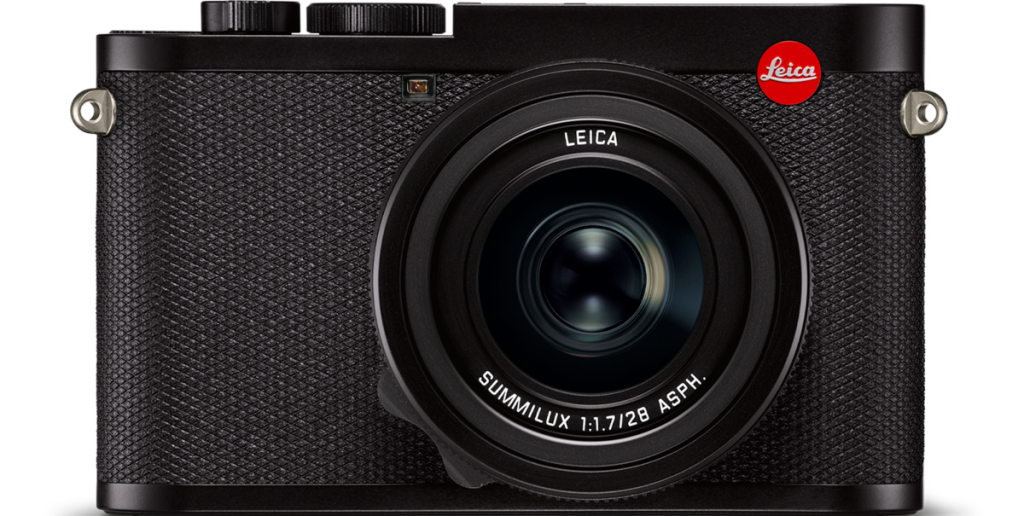
Let’s break down what makes the Leica Q2 a strong pick, from how it works to how it feels in your hands. Here’s a closer look at its features, image quality, and user experience.
Key Features of the Leica Q2
The Leica Q2 brings a lot of improvements over the first model. Here’s a quick look at the biggest upgrades and what they mean for you
| Feature | Leica Q2 Upgrade Details |
|---|---|
| Sensor | 47.3 MP full-frame sensor (up from 24 MP) |
| Photo Quality | Clearer photos, more detail, better cropping without losing quality |
| ISO Range | 50 to 50,000 – works well in bright and dark lighting |
| Autofocus | Faster and smarter; locks onto moving subjects quickly |
| Shutter Speed | Up to 1/40,000th of a second; great for capturing fast action |
| Battery Life | Lasts longer; good for all-day use |
| Video Recording | 4K video at 24/30 fps; Full HD at 120 fps |
| Design | Looks like the Q1 but improved; fewer back buttons; rain and dust resistant |
| Manual Controls | Aperture and shutter speed can be changed by hand; custom buttons for easy setup |
| Ease of Use | Strong build, small size, comfortable feel, simple layout |
With these upgrades, the Leica Q2 isn’t just a small step forward — it’s a much stronger and more flexible camera for both photos and videos. Whether you’re shooting fast action or quiet moments, it’s built to handle it all.
Performance and Image Quality
The Leica Q2 uses a 28mm f1.7 lens. This lens is sharp, even when used wide open at f1.7. You get clear pictures from edge to edge, even in wide shots. The lens and the 47.3 MP sensor work well together. They give you photos full of detail and strong contrast.
The Q2 is also good in low-light situations. It has an ISO range that goes up to 50,000. Even at high ISO, colors stay true, and the image doesn’t get too noisy. You also get good detail in both bright and dark areas because of the wide dynamic range.
User Experience and Interface
Using the Leica Q2 feels simple and smooth. It has a 3.68 MP OLED viewfinder that looks bright and clear. You can see your shot well, even in bright light. The touchscreen is quick to respond. You can tap to focus or move through menus with just a swipe. This makes changing settings fast and easy.
The camera’s menu system is clean and well-organized. You don’t need to dig through many layers to find what you need. The 3-button layout on the back helps keep things simple. You can also set up buttons the way you like.
The Q2 also has Wi-Fi and Bluetooth built in. You can connect it to the Leica Fotos app. This lets you send photos to your phone or tablet without using a cable. You can even use your phone to control the camera. This is handy for remote shooting or quick sharing on the go.
Leica Q2 Camera Review: A Full-Frame Powerhouse
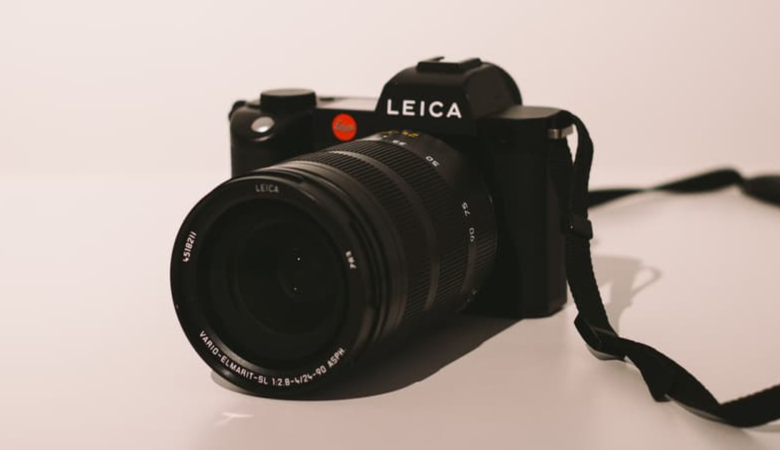
The Leica Q2 is a powerful camera that’s easy to use. It has a 47.3MP full-frame sensor and a sharp 28mm f/1.7 lens, which means your pictures will be super clear and full of detail.
The camera is built really strong, made almost completely of metal, and can handle rain, dust, and rough weather without any problems.
One thing that makes the Leica Q2 special is how simple it is to use. The menu is concise, with only five pages, allowing you to quickly find and change settings. The buttons and dials are in smart places, making the camera feel good and easy in your hands.
The autofocus is super fast — it locks onto your subject in about 0.15 seconds, even when it’s dark. You can choose different focus modes like Spot, Multi-Field, or Face Detection depending on what you’re shooting.
The 28mm lens is amazing. Photos stay sharp even when you shoot with the lens wide open at f/1.7, and the blurry background (bokeh) looks really nice.
The electronic viewfinder (EVF) is clear and shows you exactly what your photo will look like before you take it. Plus, with features like macro mode for close-ups and a super-fast shutter speed of 1/40,000 seconds, the Q2 gives you lots of creative options.
The battery doesn’t last as long as some might want, but overall, the Leica Q2 is a fantastic choice if you want a small, full-frame camera that’s powerful, tough, and easy to use.
Room for Improvement in the Leica Q2
The Leica Q2 is a strong camera, but there are still a few areas that could be better. The crop mode could use an update. Right now, it doesn’t zoom into the cropped area in the viewfinder or screen, which can make framing harder.
Battery life is decent for everyday use, but users who shoot a lot in one day might need a second battery. Lastly, the electronic viewfinder (EVF) is sharp, but its refresh rate could be smoother. It’s noticeable when compared to optical viewfinders or faster EVFs.
These aren’t deal-breakers, but small upgrades in future models could make a big difference for serious users.
Leica Q2 vs Other Cameras
Looking at the Leica Q2 but unsure how it compares to others? Let’s stack it up against two popular choices—the Fujifilm X100V and the Ricoh GRIIIx.
This table shows how they differ in features, size, price, and more.
| Feature | Leica Q2 | Fujifilm X100V | Ricoh GRIIIx |
|---|---|---|---|
| Purpose | Great for street, travel, and daily use. The 28mm lens works well in many scenes. Fast autofocus helps capture quick moments. | Good for street, portraits, and daily photos. 35mm lens gives a natural look. Film styles give it a special feel. | Best for street photos. Very small and easy to carry. Easy to use without drawing attention. |
| Sensor & Resolution | Full-frame 47.3MP sensor. Lots of detail and sharpness. You can crop and still get clear photos. | APS-C 26.1MP sensor. Good balance of detail and size. Works well in most situations. | APS-C 24.2MP sensor. Lower resolution, but still sharp and clean images. |
| Lens | Built-in 28mm f/1.7 lens. Great in low light. Wide view. | Built-in 35mm f/2 lens. Slightly tighter view. Still bright enough for most scenes. | Built-in 40mm f/2.8 lens. More zoomed in. Sharp, even in low light. |
| Low-Light Performance | Excellent in low light. Big sensor and wide lens help a lot. | Very good in low light. Sensor handles noise well. | Good, but not the best. Works better with some light. |
| Autofocus | Fast and accurate. Works well for moving subjects. | Fast and smooth. Tracks subjects well. | Decent speed. Best for slower or still subjects. |
| Build Quality | Solid and strong. Weather-sealed to handle dust and rain. | Also strong. Weather-resistant with extra filter. | Compact, lightweight body. No weather sealing. |
| User Interface | Simple and clean layout. Touchscreen and 3-button setup. Easy to learn. | Many dials and buttons. Feels like old film cameras. | Very simple design. Mostly menu-based controls. |
| Touchscreen & Viewfinder | Sharp OLED viewfinder. Bright and clear. Responsive touchscreen. | Good viewfinder and touchscreen. Both work smoothly. | No viewfinder. Has a touchscreen, but basic. |
| Video Features | 4K at 24/30p. Full HD at 120p. Good quality for video, but not the main focus. | 4K video with nice colors. Great for casual filming. | Limited video features. Focused more on photos. |
| Connectivity | Wi-Fi and Bluetooth. Connects to the Leica app for remote control and sharing. | Wi-Fi and Bluetooth. Easy sharing through the Fujifilm app. | Wi-Fi and Bluetooth. Basic app for sharing. |
| Size & Weight | Larger and heavier. Solid feel. Might not fit in small bags or pockets. | Medium-sized. Easy to carry, but not tiny. | Very small and pocket-friendly. Light and easy to take anywhere. |
| Battery Life | Long battery life. It can last a full day. | Decent battery. May need a spare for long use. | Shorter battery life. Often needs charging or a backup battery. |
| Price | Very expensive. Premium price for build and image quality. | More affordable. Great value for features. | Most affordable. Good for tight budgets. |
| Resale Value | High resale value. Leica gear often keeps its price over time. | Holds value fairly well, but not like Leica. | Lower resale value, but also costs less upfront. |
Each camera has its own strengths. Whether you want top-level detail, classic film colors, or a small, budget-friendly option, this side-by-side view should help you pick what’s right for you.
The Leica Q2 for Different Photography Styles

The Leica Q2 works well for both travel and street photography. For travelers, it’s compact, strong, and weather-resistant—great for all kinds of places and weather. The wide 28mm lens and full-frame sensor help capture detailed scenes, even in low light.
For street photographers, the Q2’s quiet shutter, small size, and simple design make it easy to stay unnoticed. It’s fast, easy to carry, and ready to shoot in a moment. Whether you’re walking through busy streets or exploring new places, the Q2 gives you sharp images and quick control without weighing you down.
Conclusion
The Leica Q2 is a powerful upgrade that keeps what worked in the original and makes it even better. It offers sharp photos, fast focus, and a tough, easy-to-use design.
If you’re serious about your photos and want a small camera that delivers big results, this one’s worth a look. Think about how it fits your style—travel, street, or everyday use.
This Leica Q2 review showed how it stands out in both features and feel. Just remember, the best camera is the one you enjoy using.
Do you want more tips or camera comparisons? Check out our other blogs to keep learning and find the gear that fits you best.





Leave a Reply