
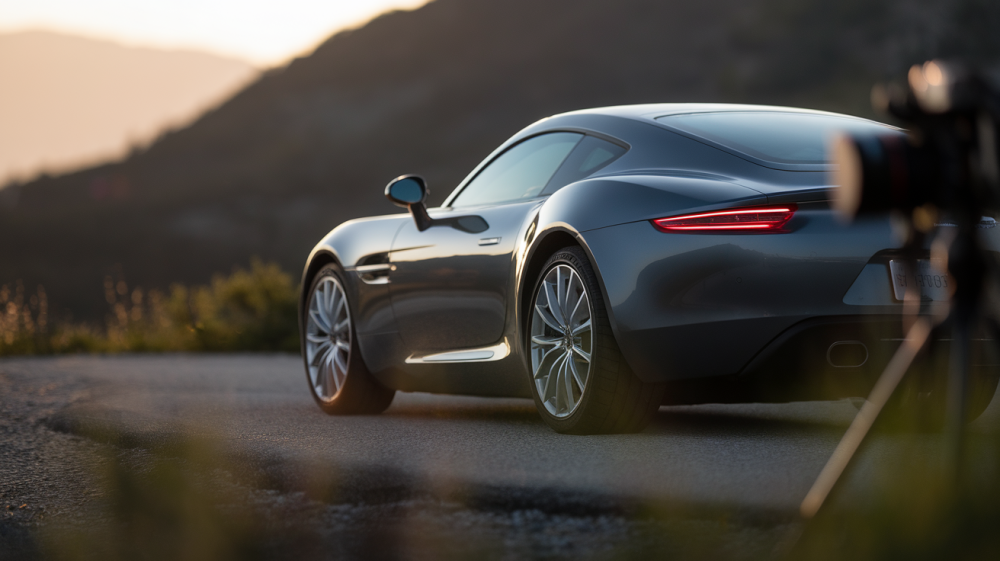

Capturing cars on camera isn’t just about snapping a picture; it’s about showcasing personality, curves, and character.
Whether you’re taking photos of your own ride, a friend’s prized classic, or something sleek at a car show, getting it right takes a mix of technique and personal style.
When I first started photographing cars, I didn’t realize how much went into making them look as good on screen as they did in real life.
Harsh reflections, poor lighting, and awkward angles all made my early shots feel flat.
However, with practice and a few mistakes, I picked up techniques that changed everything.
Let me walk you through the essentials and my 19 favorite tips that’ll help you take standout car photos, no matter your gear or location.
Why Car Photography Needs Specific Techniques?
Cars are beautiful machines, but tricky ones to shoot.
Their surfaces are glossy and full of reflections.
Miss the angle, and you’ll catch your own reflection, power lines, or a cluttered background.
The curves and contours can look stunning or warped, depending on where you stand.
I’ve learned that shooting cars well means thinking differently than you would with portraits or landscapes.
You have to work with light in a unique way, think about symmetry and story, and sometimes get on the ground (literally!) to get that perfect shot.
Essential Car Photography Tips
1. Shoot During Golden Hour
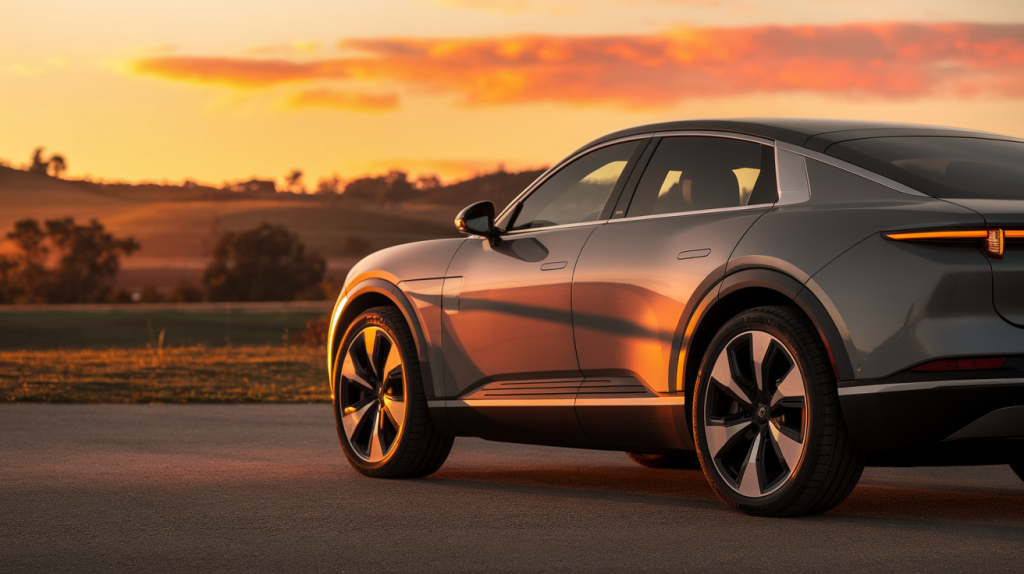
Sunrise and sunset offer soft, warm lighting that highlights curves without harsh shadows. I always plan my shoots early in the morning or late in the day.
2. Mind the Reflections
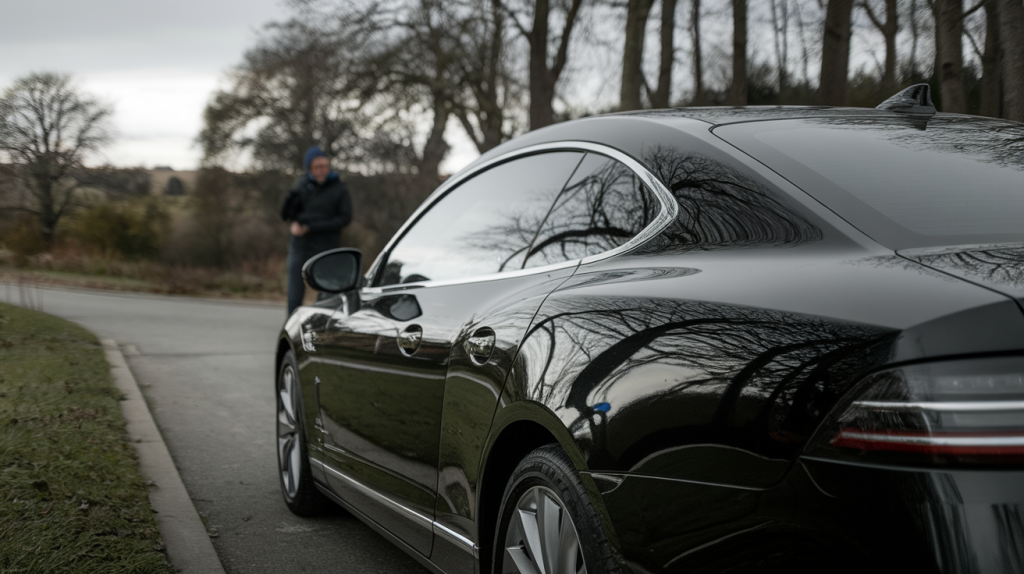
Cars reflect everything: clouds, power lines, even you! Walk around the car and look closely before shooting. Try different angles to minimize distractions.
3. Find a Clean Background
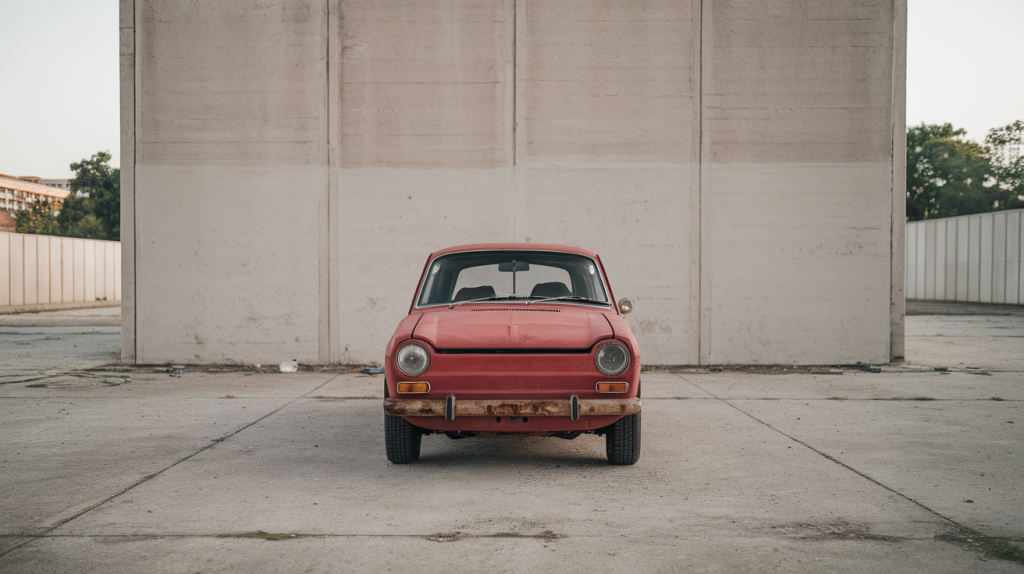
A messy background can ruin a great shot. Look for open roads, clean parking lots, or empty lots with neutral colors so the car stays the star.
4. Use a Polarizing Filter
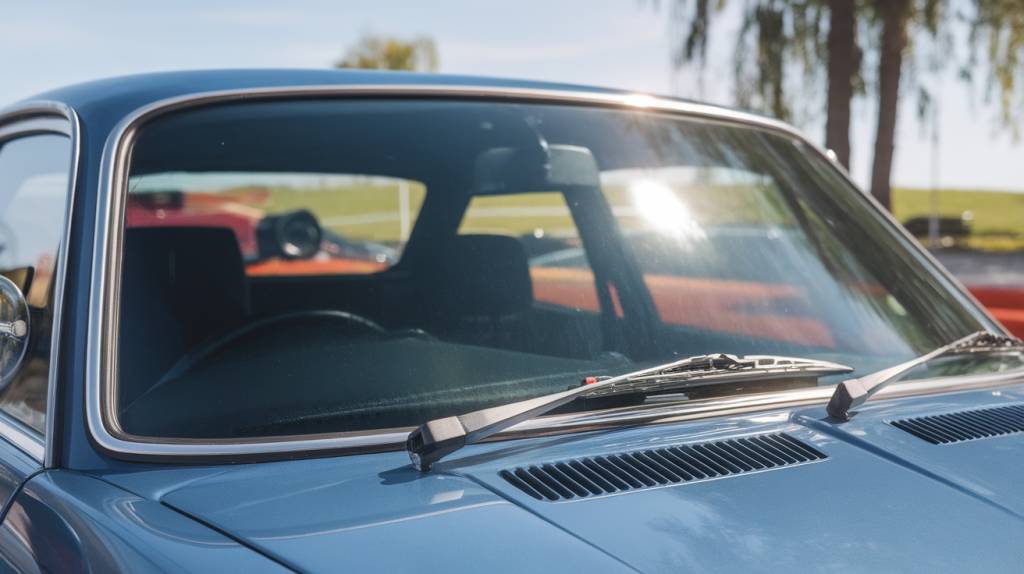
This small tool can reduce glare and deepen colors, especially on windshields and windows. It’s been a game-changer for me on sunny days.
5. Get Low for a Powerful Look
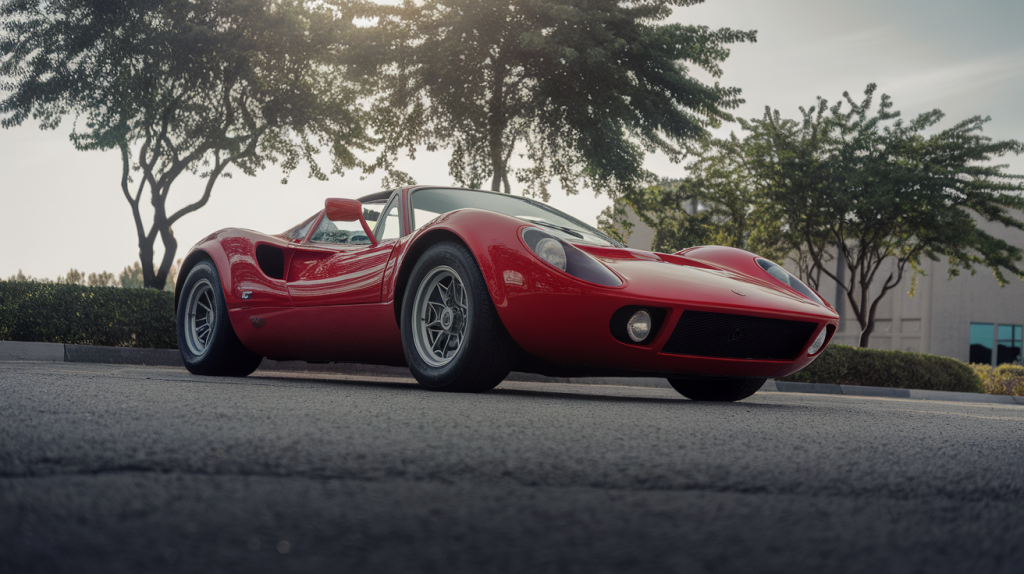
Want your car to look strong and impressive?
Crouch down or even lie on the ground. Shooting from a lower angle exaggerates the stance and gives the car presence.
6. Try Different Perspectives
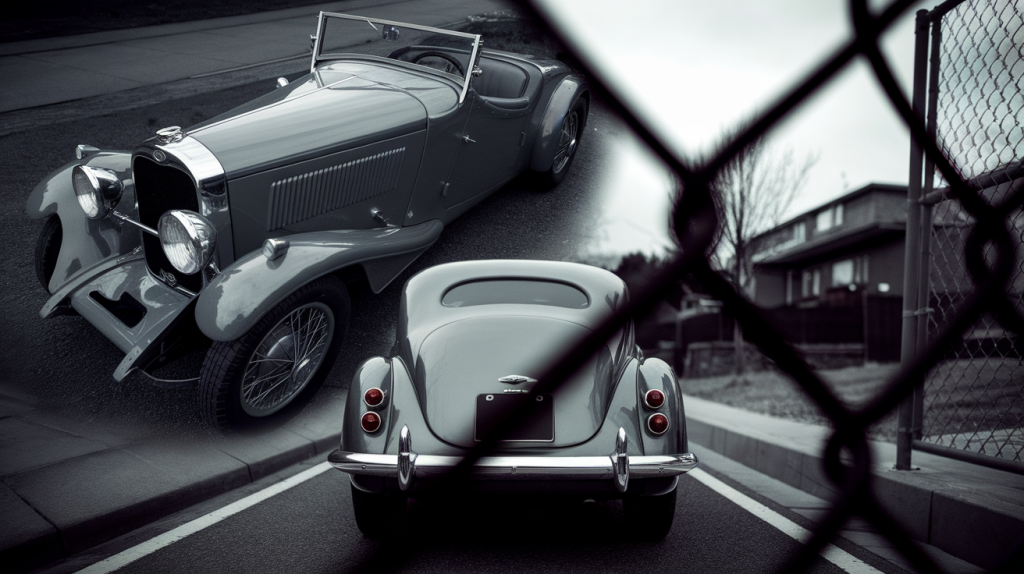
Don’t just stand and shoot from eye level.
I like experimenting with overhead shots, shooting from behind, or even through objects like fences or trees for a cool frame.
7. Focus on the Details
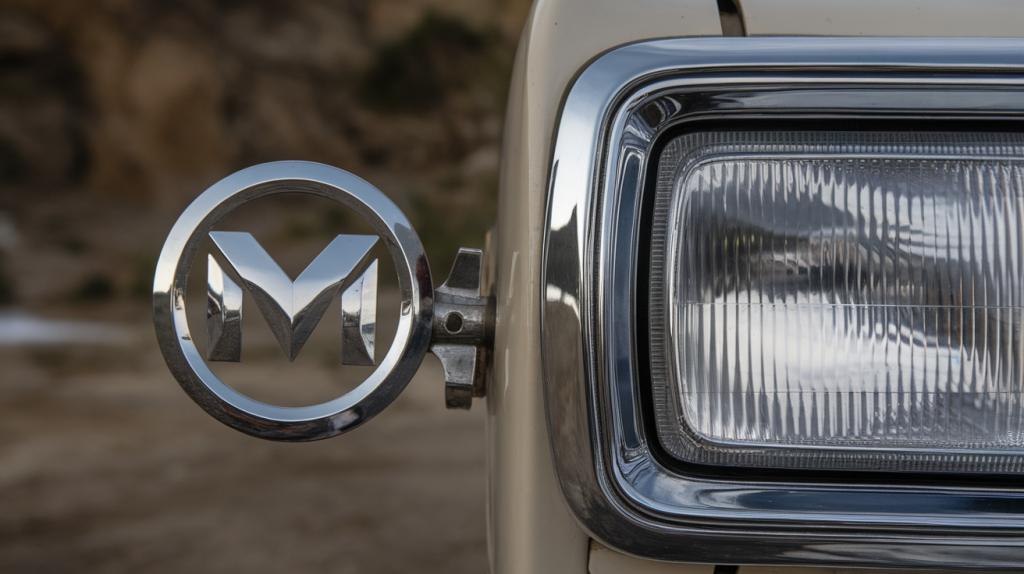
Sometimes, it’s not about the whole car. Close-ups of badges, rims, exhausts, or steering wheels can create moody, editorial-style shots.
8. Keep the Car Clean
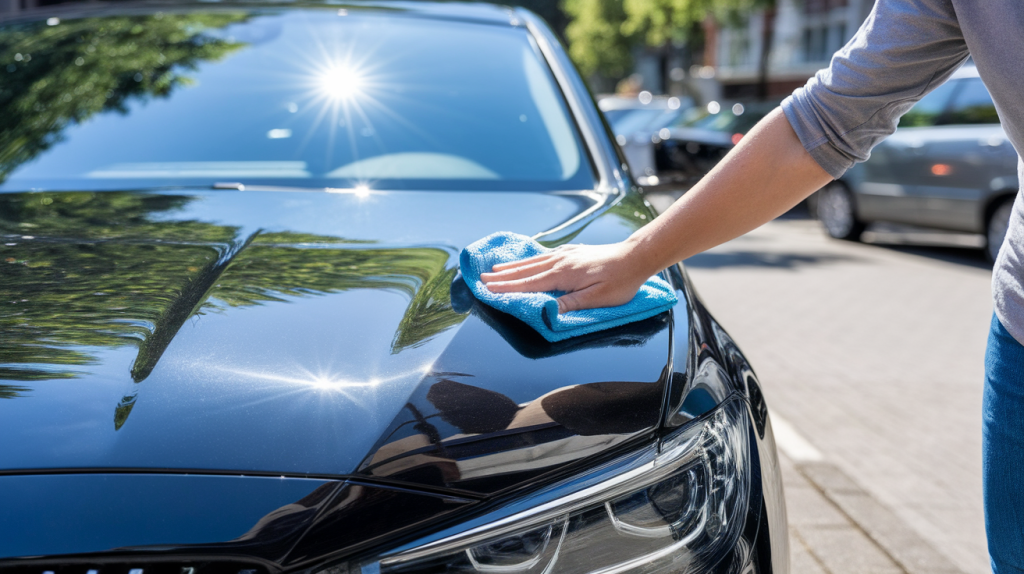
I’ve shot a car only to notice dust or fingerprints later. Wipe it down before every shoot, especially glass and paint.
9. Use Leading Lines
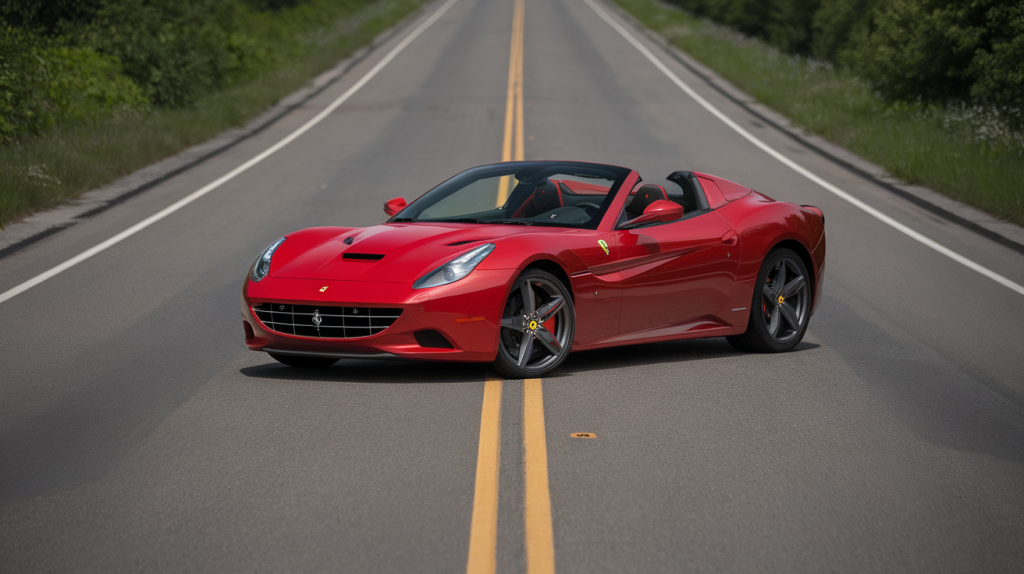
Road lines, fences, or even shadows can draw the eye toward your car and make your composition stronger. I look for them everywhere.
10. Shoot Rolling Shots with Help
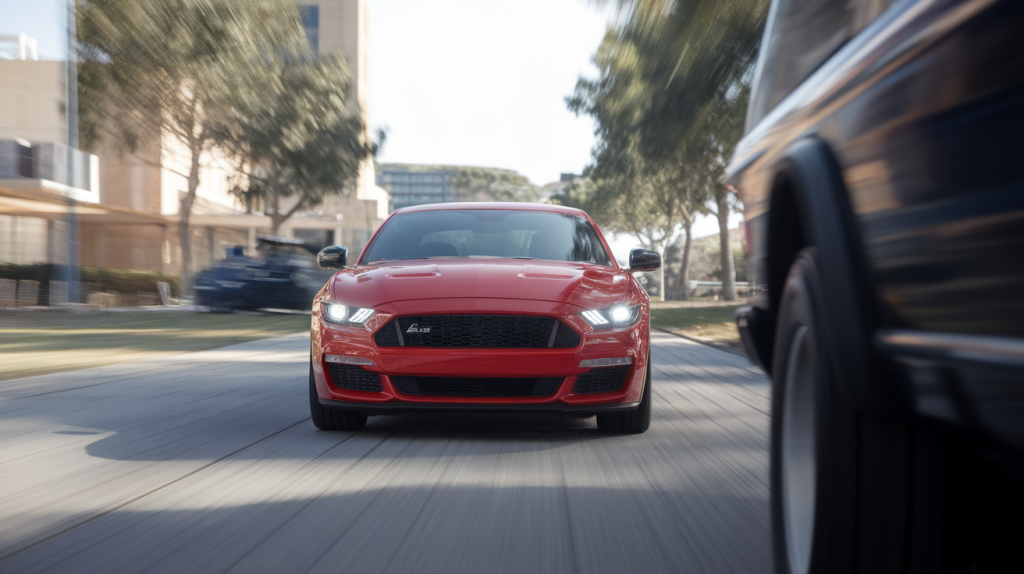
If you want that epic motion blur with wheels spinning, you’ll need a friend to drive while you shoot from another car. Use a fast shutter speed, and always be safe.
11. Blur the Background with Depth of Field
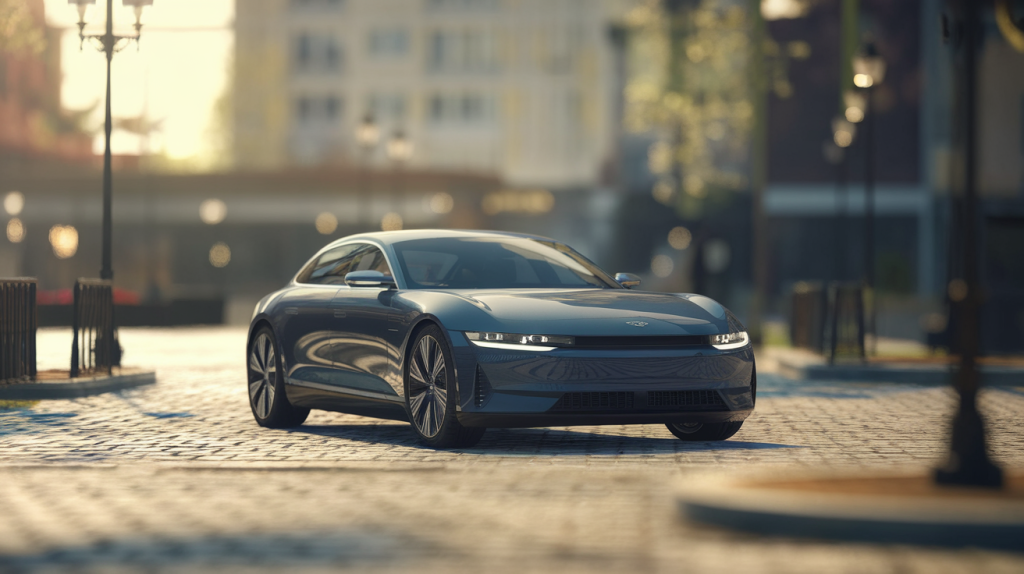
If your camera allows, shoot with a wide aperture (like f/2.8 or f/4) to get that creamy background blur. It’s great for isolating the car from busy surroundings.
12. Watch for Harsh Midday Sun
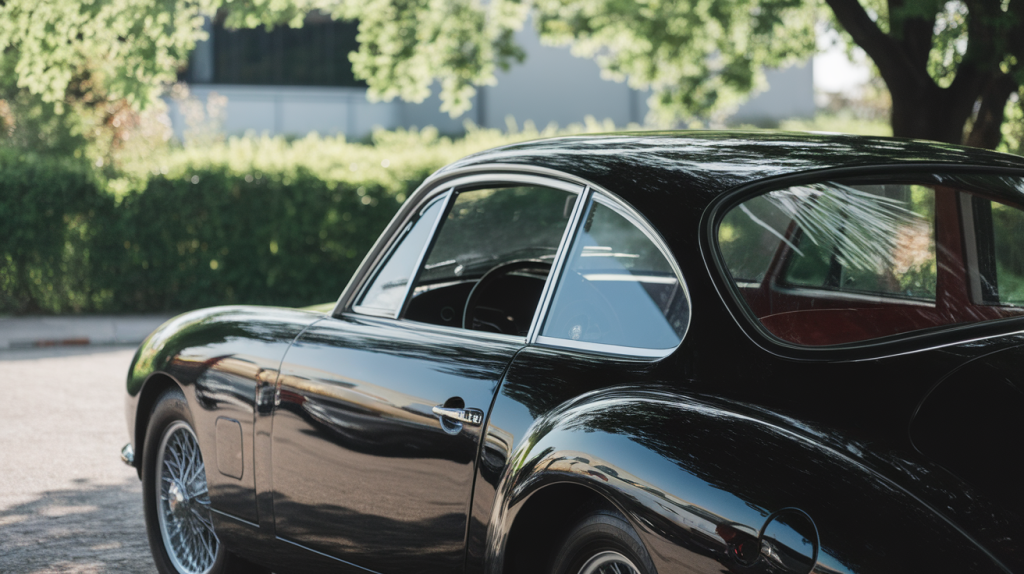
If you must shoot during noon, find shade or use overcast weather to avoid harsh contrasts. Direct sunlight is rarely flattering on glossy paint.
13. Capture the Car’s Personality
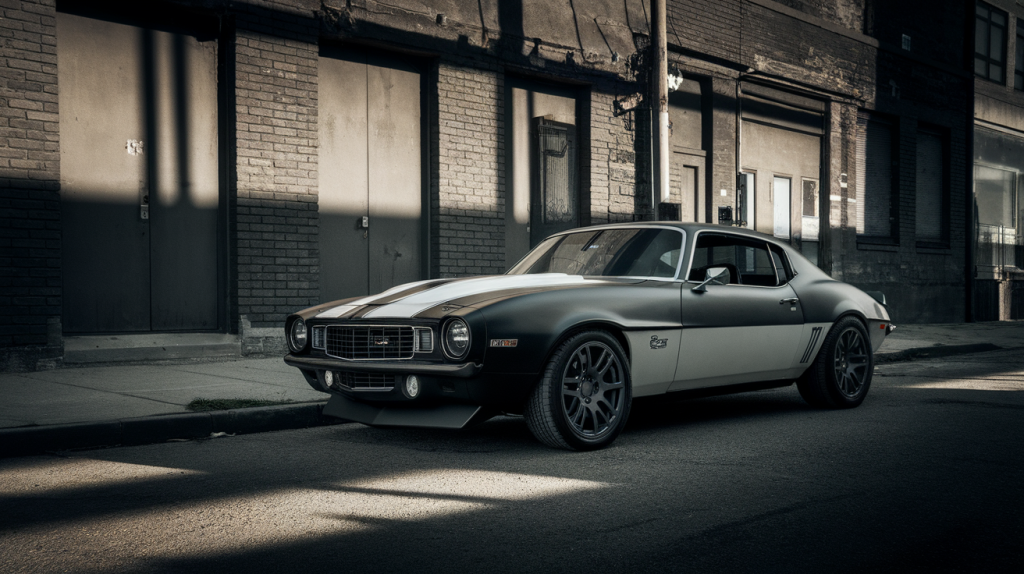
A muscle car deserves a gritty, bold vibe. A classic convertible might suit a romantic, nostalgic look. I always match the style to the car’s character.
14. Play with Reflections Creatively
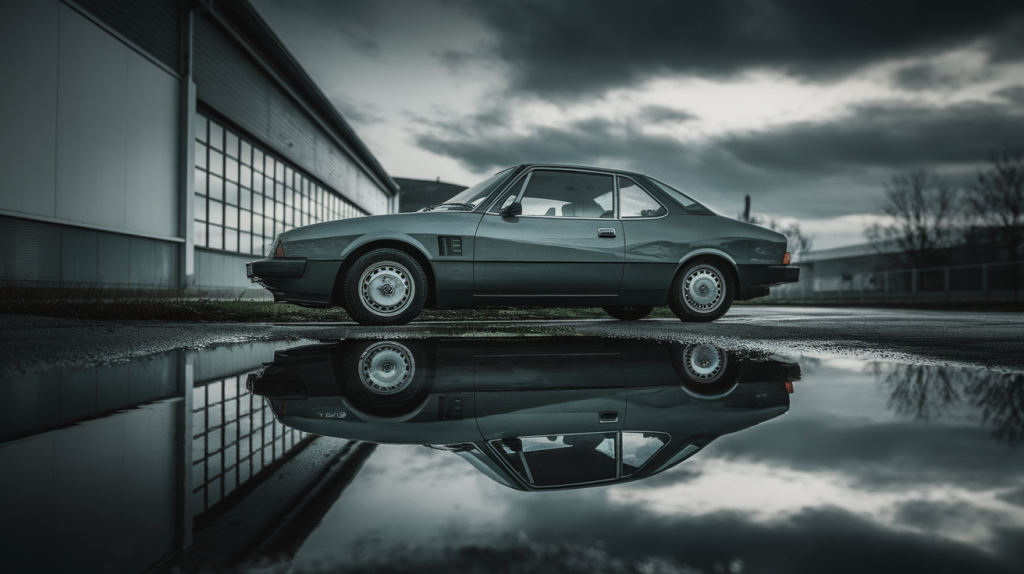
Puddles, shiny floors, or mirrors can create beautiful reflection shots. I once used a puddle in a parking lot to get a killer mirrored photo!
15. Use Tripods for Night Shots
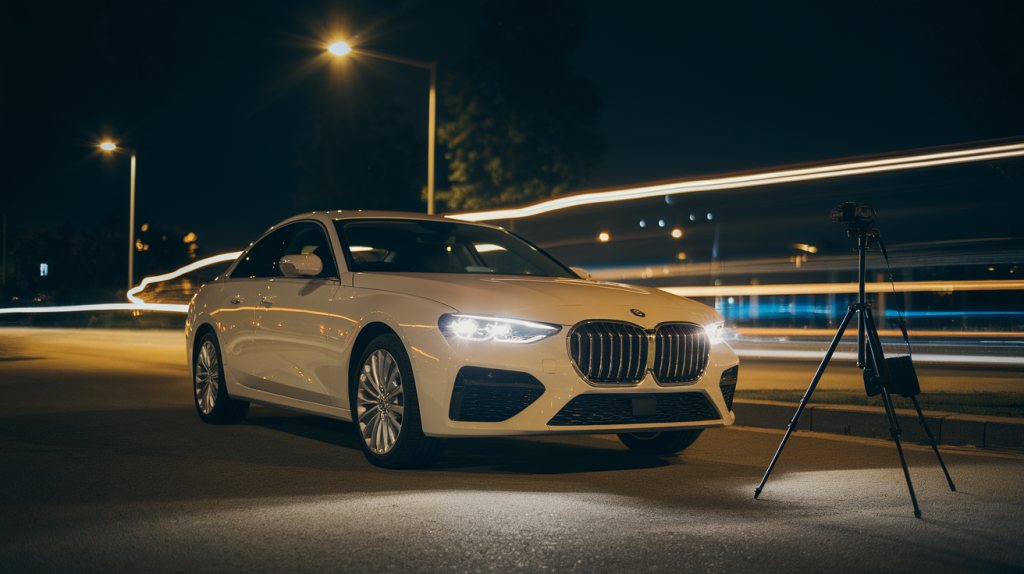
At night, a tripod is a must. Long exposures can make headlights and taillights glow, and the car can shine under streetlights or in a garage.
16. Take Shots With and Without People
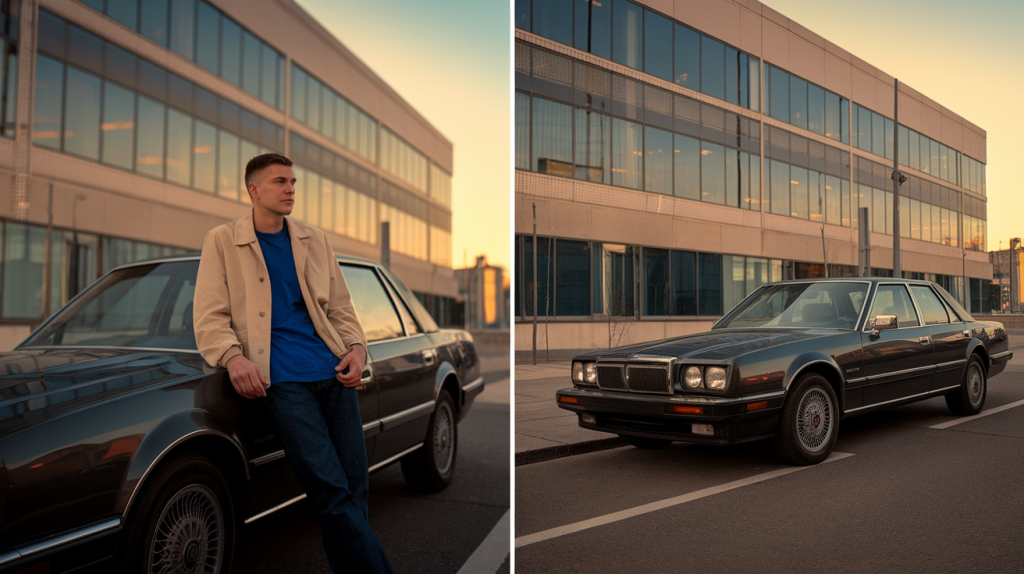
Sometimes, adding a person, like the driver leaning on the hood, adds a story.
At other times, the car looks best on its own. I like shooting both to see which works best.
17. Edit Thoughtfully
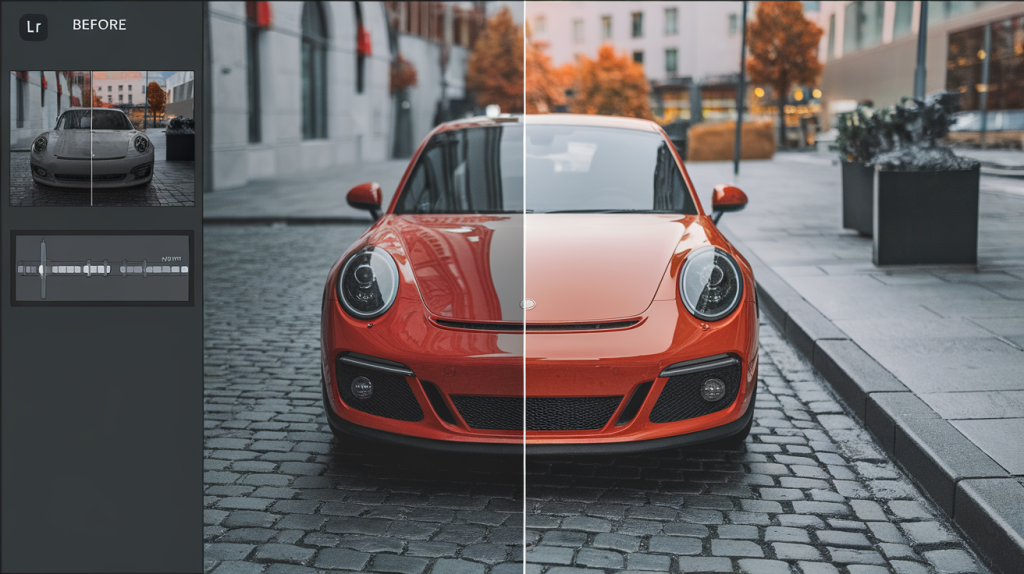
I use Lightroom to clean up my shots, boost contrast, and fix color. But I try not to go overboard, just enough to enhance what’s already there.
18. Use Props Sparingly
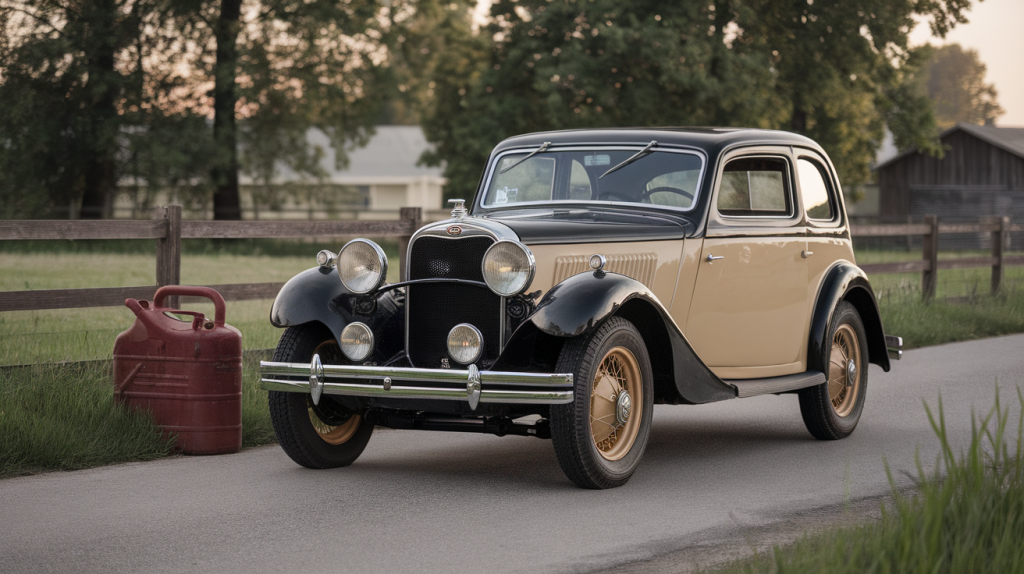
A cool location or some subtle props like a vintage gas can or picnic setup can add life to a shoot, but too many props distract from the car.
19. Practice Makes All the Difference
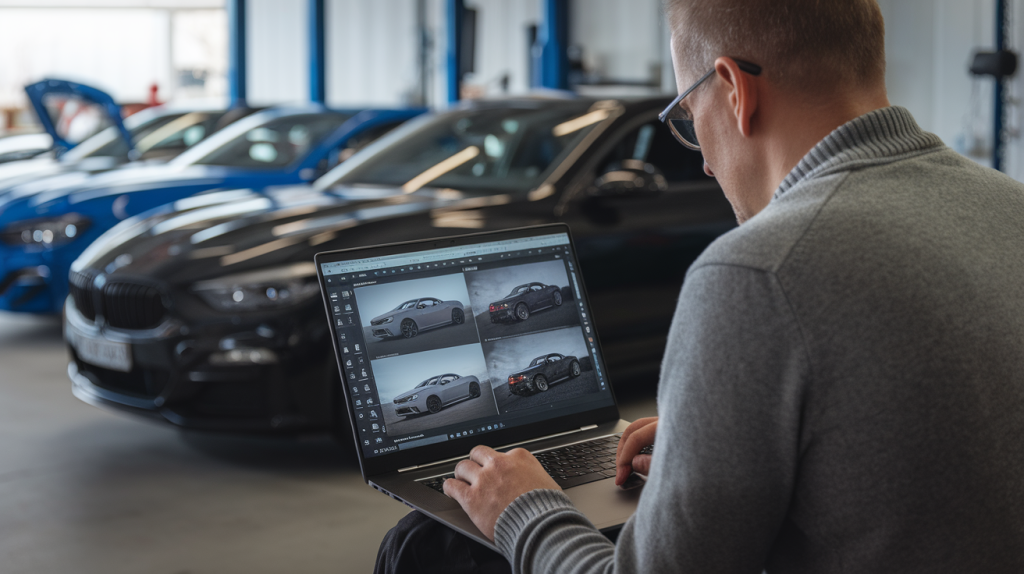
Don’t stress if your first photos aren’t perfect.
I took hundreds of meh shots before I really got the hang of it. Keep shooting and learning from each photo.
Gear, Settings, and Setup Tips for your Car Shoots
You don’t need a fancy DSLR to start. I’ve taken great car shots with my phone and even a point-and-shoot camera.
That said, if you’re working with a DSLR or mirrorless camera, here are a few helpful tips:
- Lens choice: A wide-angle lens (24mm–35mm) is great for full car shots, while a 50mm prime gives beautiful detail photos.
- Manual settings: Shoot in manual or aperture priority if possible. I usually use f/4 to f/8 for full car shots and go wider for details.
- ISO and shutter speed: Keep ISO low (100–400) for clear shots, and use a faster shutter speed (1/500 or more) for action or rolling shots.
- Stabilization: A tripod or gimbal helps in low light or for night shots.
- Remote trigger: Great for hands-free, shake-free long exposures or if you want to be in the shot yourself.
Remember, the best camera is the one you have with you, and how you use it matters even more.
Final Thoughts
Car photography is part technical, part creative, and a whole lot of fun.
You’re not just snapping pictures of metal and rubber, you’re capturing design, emotion, and stories.
For me, it’s about appreciating the art in motion and stillness.
Whether I’m documenting a vintage ride at golden hour or just grabbing a few shots of my car after a good wash, every photo has a story behind it.
So, try these tips, trust your eye, and shoot what feels right. Your best shot might be the next one you take.





Leave a Reply