
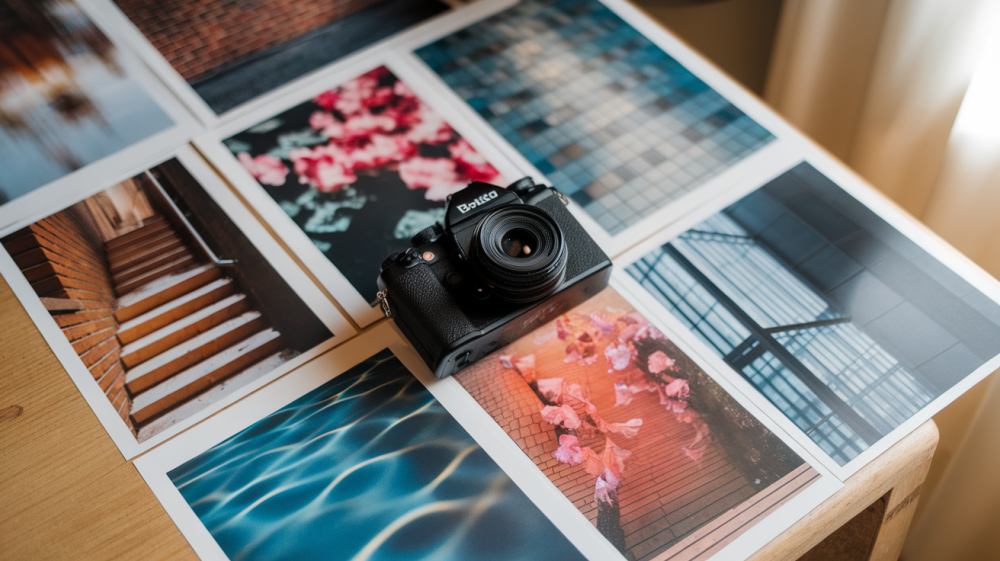

When I started taking photos, I didn’t think much about patterns.
I was more focused on catching the perfect sunset or a candid smile.
But the more I practiced, the more I noticed how often patterns showed up, brick walls, flower petals, tiled floors.
And when I started using them on purpose, my photos became more striking, more balanced, and way more memorable.
In photography, a pattern is any visual element that repeats, shapes, lines, colors, or textures.
These repetitions can create structure, draw attention, and add a sense of rhythm to your images.
Patterns are everywhere, and once you start seeing them, you’ll never stop.
Let’s walk through how to spot them, how to use them creatively, and why they’re such a powerful tool, even if you’re just starting out.
What Are Patterns in Photography?
Our brains love repetition. Patterns feel satisfying to look at. Whether it’s a row of windows or overlapping leaves, they provide structure and harmony that make your image feel intentional.
I’ve often used patterns to take something simple, like a line of bikes or stacked chairs, and turn it into something bold and graphic.
Repeating lines or textures gives your photo a sense of flow, like visual music.
And when I want to guide the viewer’s eye through a frame, patterns are one of my go-to tools.
But the magic isn’t just in the repetition; it’s also in the moment you break it. That one item that’s different? That’s where the story starts.
A lone balloon in a bunch of deflated ones, or one window lit among a dark building, tells a story that goes beyond aesthetics.
Where to Spot Patterns in Everyday Life
Patterns are all around us; you just have to slow down and notice them.
Whether in architecture, nature, or everyday textures, these repeating elements can turn the ordinary into captivating photo moments.
1. Geometric and Manmade

Architecture is a pattern playground. Think rows of windows, balconies, tiles, and fences.
I once spent half an hour photographing just the shadows of a fire escape across a brick wall; it looked like woven steel.
For a more detailed look, shoot at an angle and include foreground details.
Patterns in bridges, railways, and benches can also become unexpected stars of your shot.
2. Nature’s Order

Nature offers the softest, most beautiful patterns if you slow down enough to notice.
Think tree bark, sand dunes, raindrops on a window, spirals in a flower.
I once zoomed in on a pinecone and realized it formed a perfect Fibonacci sequence.
Early morning or late afternoon light adds just the right amount of contrast to bring out textures without blowing them out.
Try capturing the repetitive ripples in a puddle or the structure in a spider’s web.
3. Repeating Colors and Textures

Pattern isn’t just shape. Repeating colors or textures, like bowls of fruit at a market or peeling paint, can draw the eye in powerful ways.
These shots often work best close up, especially if you want to create an abstract or moody feel.
You might not even need symmetry.
A repeating splash of red in a crowd or stripes of color in stacked rugs can give your frame rhythm and emotional pull.
How to Use Patterns Creatively
Once you start spotting patterns, the next step is to use them with intention.
From bold repetition to subtle disruptions, creative choices can turn simple patterns into powerful compositions.
1. Fill the Frame
- Fill the Entire Frame with the Pattern: One of the boldest ways to highlight a pattern is to let it take over the whole frame, no background, no distractions.
- Works Well for Textures: Use this method with tight textures like tiles, bricks, leaves, or fabrics for a strong visual impact.
- Creates Abstract Effects: When a pattern is framed closely enough, it can become abstract, turning books into colorful stripes or umbrellas into a graphic illusion.
- Emphasizes Repetition: This technique enhances the visual rhythm and unity of your image, making it feel intentional and artistic.
2. Break the Pattern
- Use Pattern Interruptions to Add Interest: Breaking a pattern, like one open umbrella in a sea of closed ones, adds an element of surprise.
- Creates a Strong Focal Point: That single difference draws the viewer’s eye immediately and holds their attention longer.
- Effective in Storytelling: Pattern interruptions are powerful in street photography or narrative shots where you want to evoke emotion or curiosity.
- Adds Visual Drama: This subtle shift transforms repetition into a moment that feels intentional and thought-provoking.
3. Experiment With Angles
- Change Your Angle to Transform the Pattern: A new perspective, such as crouching low or leaning high, can transform simple patterns into striking abstract visuals.
- Staircases and Streets Become Art: Shooting a staircase from below can create zigzag shapes, while a street full of cars seen from above becomes a grid of color blocks.
- Shoot Through Objects for Layers: Using fences, railings, or even foliage in the foreground adds an extra layer of pattern and depth.
- Enhances Visual Focus and Creativity: Unusual angles keep patterns fresh and allow you to lead the viewer’s eye with purpose and style.
4. Use Light to Create Patterns
- Shadows Create Beautiful Patterns: Patterns aren’t always physical; light and shadow can do the job too, especially through blinds, fences, or leaves.
- Chase Fleeting Light: Sunlight casting patterns on faces, walls, or sidewalks makes for emotional and visually compelling images.
- Use Artificial Light for Repetition: Headlights on wet pavement or neon signs reflecting in puddles can form dynamic, repeating shapes.
- Look for Hidden Geometry: These shadow patterns are often subtle and temporary, which makes capturing them feel special and spontaneous.
Where Patterns Show Up in Photography Genres
Patterns appear in all photography styles, from structured cityscapes to natural landscapes.
Here’s how you can spot and use them across different genres:
1. Portrait Photography

Use textured clothing or patterned backgrounds to add subtle repetition that supports your subject without stealing focus.
2. Street Photography

Repeating elements like windows, bikes, or signs can anchor your frame, then break the pattern with a single person or a unique moment.
3. Landscape Photography
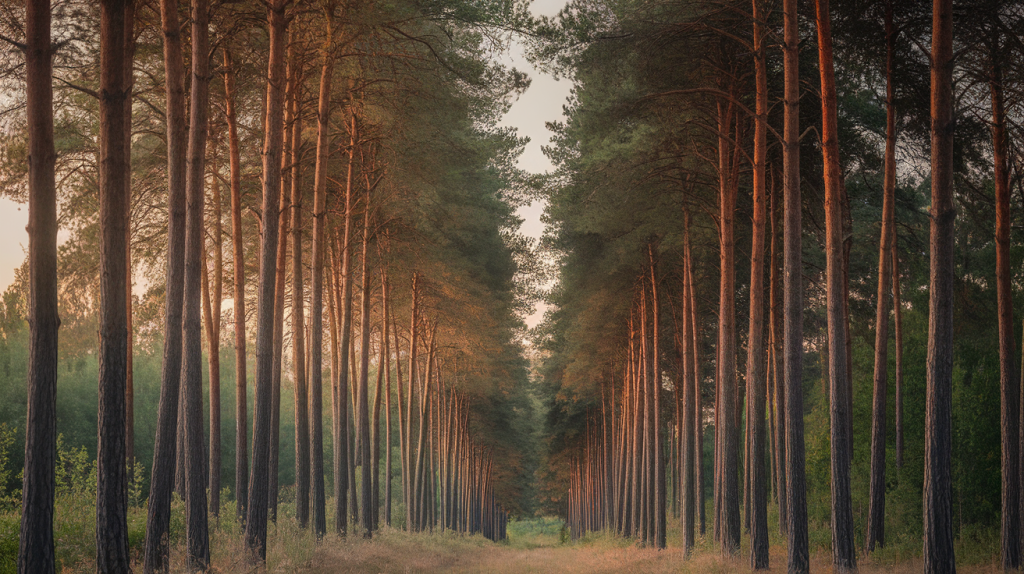
Nature offers endless patterns in trees, fields, and water; light and perspective help reveal their beauty.
4. Food and Product Photography
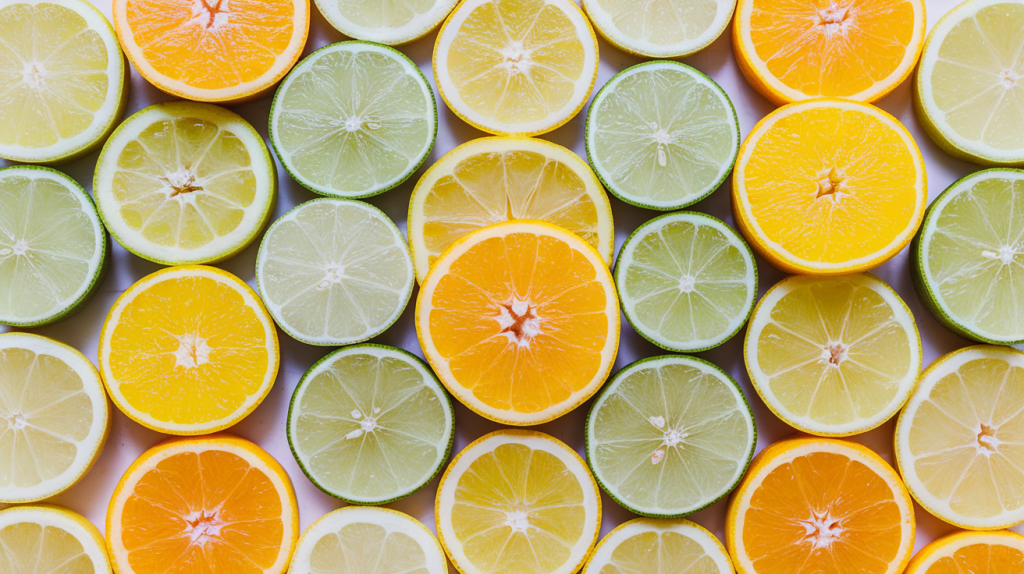
Flat lays, which utilize repeated items such as fruits or cups, add structure and charm, making them perfect for visual storytelling.
Practical Tips to Master Pattern Photography
- Zoom In: Many patterns look better close up. Don’t be afraid to crop tightly or use a macro lens.
- Use a Tripod: Especially helpful for achieving symmetry and capturing low-light images. Keeps everything stable and sharp.
- Try Black and White: Removing color lets texture and pattern shine through. Concrete walls, tree bark, and metal grates come alive in monochrome.
- Keep Balance in Mind: Too many patterns can overwhelm. I like pairing it with blank space to give the eye a rest.
- Edit Thoughtfully: I use Lightroom to bring out contrast or crop distractions, but I try not to overdo it. If it stops being about the pattern, I pull back.
- Watch Your Edges: Make sure the pattern continues naturally at the frame’s edges—or ends cleanly. It helps keep the image intentional and not messy.
- Look for Shadows and Reflections: Sometimes, the most eye-catching patterns are fleeting. A row of pillars reflected in water can double your visual impact.
Final Thoughts
Patterns changed the way I see the world.
What used to be just a fence or a stack of boxes is now a potential photo. Once you train your eyes to spot repetition, your photography will feel more intentional and a lot more fun.
You don’t need a fancy camera to get started. Just curiosity, patience, and a willingness to experiment.
Patterns are a creative shortcut to stronger compositions, and you’ll soon start seeing them in everything.
So the next time you’re out walking, take a second look.
Is there a pattern in the bricks under your feet? The way chairs are arranged at the café?
That’s your shot. Don’t miss it.







Leave a Reply